
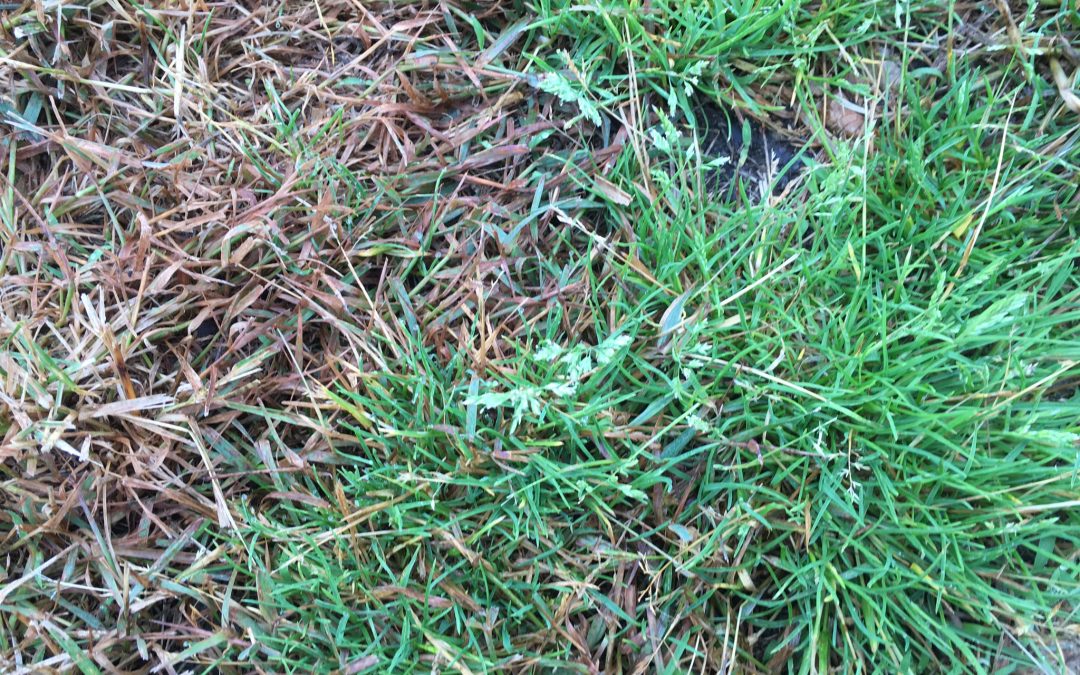
Annual Bluegrass (Poa annua) in Minnesota and Wisconsin Lawns: Identification, Problems, and Solutions
Annual bluegrass (Poa annua) is a common grassy weed found in lawns throughout Minnesota and Wisconsin. While it looks very similar to Kentucky bluegrass, one of the most common lawn grasses in our region, annual bluegrass has several characteristics that make it less desirable in home lawns.
The biggest difference is its life cycle. Kentucky bluegrass is a perennial grass that can survive for many years. Annual bluegrass typically completes its life cycle in less than a year, growing during cooler weather, producing seed in the spring, and often dying during the summer heat.
This creates a frustrating problem for homeowners. Annual bluegrass may look healthy during the spring, only to turn brown and die in the middle of summer, leaving thin or bare patches throughout the lawn.
Interestingly, annual bluegrass is one of the most widespread plant species in the world. It has been documented on all seven continents, including Antarctica!
How to Identify Annual Bluegrass in Your Lawn
Annual bluegrass can be difficult to identify because it looks very similar to Kentucky bluegrass. However, several characteristics can help distinguish the two.
1. Light Green Color – Annual bluegrass typically has a lighter, yellowish green color compared to the darker green appearance of Kentucky bluegrass. This can make it stand out as patches of lighter colored grass throughout the lawn.
2. Frequent Seed Production – One of the most recognizable characteristics of annual bluegrass is its ability to produce large numbers of seeds. You may notice small, whitish seedheads throughout the grass, even when the lawn is mowed regularly.
3. Summer Browning and Dieback – Annual bluegrass often struggles during hot, dry summer weather. While Kentucky bluegrass can enter summer dormancy and recover when conditions improve, annual bluegrass commonly dies, leaving brown or bare areas behind.

Annual Bluegrass Summer Dieback
Why Does Annual Bluegrass Grow in Your Lawn?
Annual bluegrass is an extremely adaptable plant that produces large quantities of seed. Once established, it can spread throughout a lawn and persist for many years through seeds remaining in the soil.
There are several ways annual bluegrass can enter your lawn.
- Grass Seed Mixtures: Annual bluegrass seed can occasionally be introduced through contaminated grass seed mixtures.
- Animals and Birds: Seeds can be transported by animals, birds, and other wildlife.
- Shoes and Equipment: Annual bluegrass is common on golf courses, athletic fields, and other turf areas. Seeds can be transported on shoes, lawn equipment, and other objects.
- Existing Soil Seed Bank: Annual bluegrass seeds can remain in the soil for years and germinate when conditions become favorable.
Annual bluegrass typically germinates in late summer and fall when soil temperatures begin to cool. It grows during cooler weather and produces seeds during the spring.
It tends to establish most successfully in thin lawns, areas with exposed soil, and locations where desirable grasses are not growing vigorously. Moist or compacted soil conditions can also favor annual bluegrass.
Once it becomes established and begins producing seed, it can become a recurring problem.
Common Misconceptions About Annual Bluegrass
- Myth: Annual bluegrass is just Kentucky bluegrass that is a different color. Although they look similar, annual bluegrass and Kentucky bluegrass are different species with different growth habits and life cycles.
- Myth: If annual bluegrass dies in the summer, the problem is gone. Unfortunately, this is rarely true. Annual bluegrass often produces large quantities of seed before dying. These seeds can germinate when cooler conditions return.
- Myth: A weed control treatment can easily eliminate annual bluegrass. Annual bluegrass can be managed with certain herbicides, including products that prevent seeds from germinating and some that target existing plants. However, selective control is challenging, treatment timing is important, and seeds already in the soil can allow annual bluegrass to return.
- Myth: Annual bluegrass always dies every summer. While many annual bluegrass plants die during summer heat, some survive, especially in cooler, irrigated environments. Certain populations can behave more like perennial grasses.
What Can You Do If You Have Annual Bluegrass?
Once annual bluegrass becomes established, there are several management options. Some involve removing or killing the existing plants, while others focus on establishing desirable grasses that compete with annual bluegrass.
Option 1: Physically Remove It
For small patches, annual bluegrass can be dug out by hand. Be sure to remove the entire plant, including its roots, and reseed the area with desirable grass.
This approach is most practical when only a few small patches are present. However, annual bluegrass seeds may already be present in the soil, allowing new plants to establish.
Option 2: Use Herbicides
Herbicides are another option for managing annual bluegrass, but control can be challenging. Certain selective herbicides can suppress or control annual bluegrass, although options for established home lawns are limited. Other herbicides can prevent annual bluegrass seeds from germinating but must be applied before germination occurs.
Nonselective herbicides, such as glyphosate, can kill existing annual bluegrass plants. However, they will also kill desirable grasses they contact, making reseeding necessary.
The biggest challenge with herbicide control is that annual bluegrass produces large quantities of seed. Even when existing plants are successfully controlled, new plants can emerge from seeds already in the soil. Because of these challenges, herbicide treatments are not always the most practical or desirable approach for home lawns.
Option 3: Overseed With Desirable Grasses
For many homeowners, overseeding and encouraging desirable grasses to compete with annual bluegrass is the preferred approach. Rather than continually trying to eliminate annual bluegrass, the goal is to establish a thick lawn of desirable perennial grasses such as Kentucky bluegrass, perennial ryegrass, or fine fescue.
As desirable grasses become established, they compete with annual bluegrass for sunlight, water, nutrients, and growing space. This competition can reduce opportunities for annual bluegrass seeds to germinate and establish.
Overseeding does not immediately eliminate annual bluegrass. In fact, some annual bluegrass may continue to grow alongside desirable grasses. However, over time, improving the density and health of the lawn can help reduce its presence.
For Minnesota and Wisconsin lawns, late summer into early fall is generally the best time for overseeding. This is also when annual bluegrass seeds begin germinating, so good seed establishment and continued lawn maintenance are important.
This approach aligns with environmentally responsible lawn care practices by reducing the need to rely on herbicides.
What Can bioLawn Do If You Have Annual Bluegrass?
At bioLawn, our goal is to help homeowners establish healthy, dense lawns that naturally compete with undesirable grasses.
Although herbicides can be used to manage annual bluegrass, selective control is difficult, and recurring seed germination makes long term success challenging.
For these reasons, and because of our commitment to environmentally responsible lawn care, we generally recommend overseeding and promoting competition from desirable grasses rather than relying on herbicides.
Our team can help in several ways.
- Identify Annual Bluegrass: Our lawn care professionals can help identify annual bluegrass and distinguish it from desirable lawn grasses.
- Overseed Affected Areas: We can seed areas where annual bluegrass is growing or has died, helping desirable grasses become established.
- Promote Healthy Turf: Our fertilization programs encourage desirable grasses to grow thicker and healthier, improving their ability to compete with annual bluegrass.
While this approach may take time, it focuses on improving the overall health and quality of your lawn rather than repeatedly treating individual annual bluegrass plants.
What Can You Do to Prevent Annual Bluegrass?
Preventing annual bluegrass entirely is challenging because its seeds are so widespread. However, several lawn care practices can reduce opportunities for it to establish.
- Maintain a Thick Lawn: Dense, healthy grass helps prevent annual bluegrass seeds from finding open areas to germinate.
- Mow at the Proper Height: For most Minnesota and Wisconsin home lawns, maintaining a mowing height of 3 to 4 inches encourages healthier grass and helps shade the soil.
- Avoid Excessive Watering: Annual bluegrass often thrives in moist conditions. Water deeply when needed rather than keeping the soil constantly wet.
- Seed Thin Areas: Bare soil and thin turf provide opportunities for annual bluegrass to establish. Seeding these areas with desirable grasses can reduce future problems.
- Purchase Quality Grass Seed: Look for certified, high quality grass seed with low weed seed content to reduce the risk of introducing undesirable grass species.
Even with good lawn care practices, some annual bluegrass may still appear.
What Can bioLawn Do to Help Prevent Annual Bluegrass?
Annual bluegrass can be difficult to prevent entirely because its seeds are widespread and can remain in the soil for years.
Certain herbicides can prevent annual bluegrass seeds from germinating. However, these products can also interfere with establishing desirable grass seed, making them less suitable when overseeding is part of the lawn care plan.
At bioLawn, we generally favor prevention through healthy turf management. Our fertilization and seeding services help maintain a dense lawn that competes with annual bluegrass and reduces opportunities for new plants to establish.
While some annual bluegrass may still appear, healthy, competitive turf is an important part of reducing recurring problems.
Final Thoughts
Annual bluegrass is a common and frustrating grassy weed in Minnesota and Wisconsin lawns. Its lighter green color, frequent seed production, and tendency to die during summer heat can create an uneven appearance.
Although herbicides can be used to manage annual bluegrass, control is challenging, and new plants can continue to emerge from seeds in the soil.
At bioLawn, we believe the better long term approach for most homeowners is to focus on growing desirable grasses rather than continually trying to eliminate annual bluegrass.
Through overseeding, proper fertilization, and healthy lawn care practices, you can encourage a thicker lawn that competes with annual bluegrass naturally.
This approach supports a healthier lawn while reducing the need for herbicide applications.
If you notice light green patches, frequent seedheads, or areas of grass that die during the summer, contact bioLawn. Our team can help identify the problem and recommend the best steps for improving your lawn.