
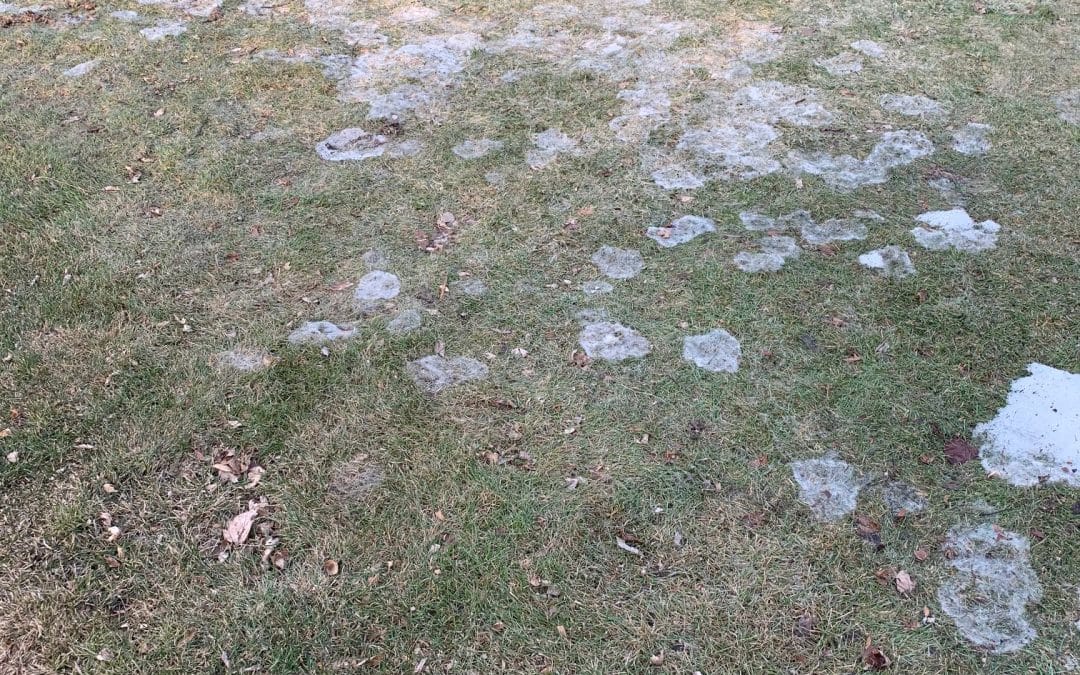
How to Identify Snow Mold Damage
Snow mold damage occurs in the lawn during the winter and it is visible once the snow melts in the spring. Snow mold damage looks like: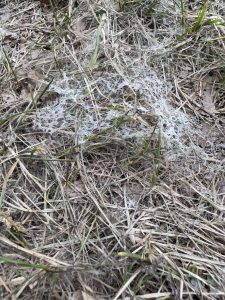
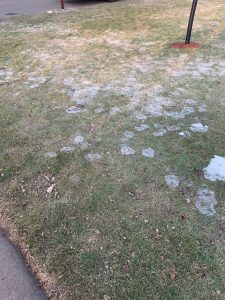
- Circular tan patches that have a pink or grey film over the top.
- Patches are most often the size of a soccer ball, but can be smaller or larger. Under extreme snow mold pressure, patches often expand into each other.
- Matted down grass that looks webbed together.
- Affected areas may feel slimy or smell musty when wet.
Biology of Snow Mold and Root Cause of Damage
Snow mold fungi are present in most soils. They remain in a dormant state until the right conditions exist. The right conditions include extended cool temperatures and consistent moisture. These conditions often exist in Minnesota and Wisconsin under snow, particularly when snow accumulates before the ground has fully frozen.
There are two types of snow mold:
Gray Snow Mold (Typhula spp.) – A cold weather disease that requires snow cover to develop. Signs of this disease include circular gray, white or tan crusted patches ranging from a few inches to over a foot wide and are usually first seen as the snow melts in the spring.
Pink Snow Mold (Microdochium nivale) – A cold weather disease that does not necessarily require snow cover to develop. Signs of this disease include pinkish crusted patches with visible fungal growth and can be seen late fall to early spring.
Conditions that increase the risk of snow mold disease:
- Prolonged snow cover on unfrozen ground
- Poorly drained lawns
- Leaves or debris left on the lawn before snowfall
Snow mold disease damages the leaf tissue but rarely kills the entire plant.
What Can A Homeowner Do Once They Have Snow Mold Damage
Snow mold often looks worse than it is. In most cases, lawns recover naturally with warmer temperatures. If you notice snow mold damage in the spring, take the following steps:
-
- Be patient. Allow the lawn to dry and begin actively growing before doing anything.
- Lightly rake the patches to stimulate grass recovery, but make sure to wait until the lawn is dry and grass is actively growing.
- As temperatures warm and growth resumes, the patches will recover.
- Seed heavily damaged areas to stimulate faster recovery once soils have warmed up.
What Can bioLawn Do Once You Have Snow Mold Damage
- bioLawn can evaluate if the grass is alive and will recover naturally.
- bioLawn can fertilize the lawn to promote faster root and leaf recovery.
- bioLawn can seed larger bare areas to improve lawn density.
What Can Homeowners Do To Prevent Future Damage
- Rake leaves and remove lawn debris before the first snowfall.
- Mow late into fall to prevent grass from matting over onto itself. The ideal mowing height is 2.5 inches headed into winter.
- Improve water drainage in the lawn.
- Avoid piling up snow on the lawn during the winter. Snow piles that remain for long periods can increase snow mold damage.
What Can bioLawn Do To Prevent Future Damage
bioLawn offers a fall snow mold prevention treatment. This application done before snow covers the lawn, provides protection to the grass while it is covered by snow to prevent snow mold from infecting the lawn.
If you need help identifying an issue in your lawn or you have further questions about snow mold, please reach out to our office.